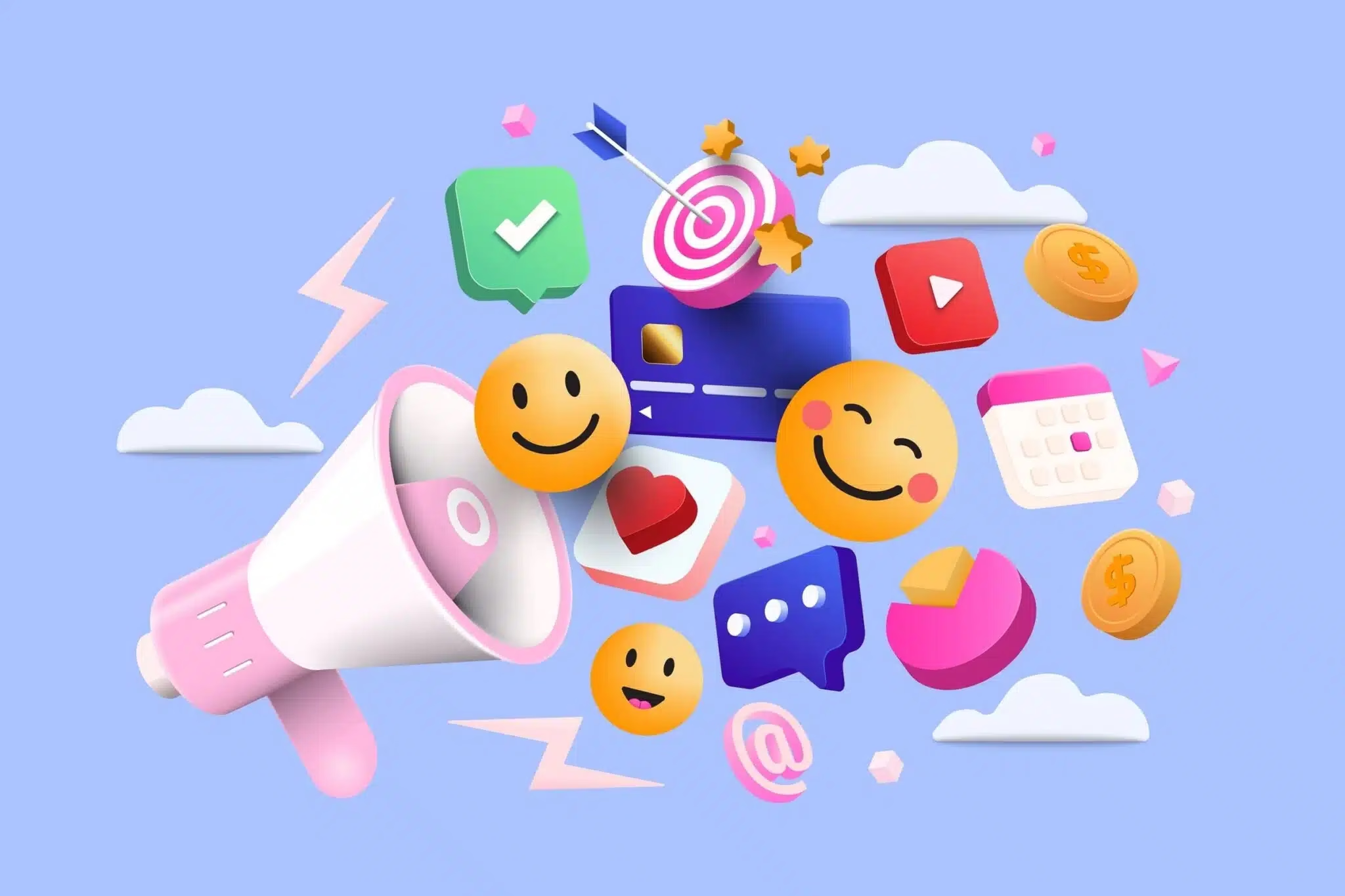
In the modern world, identity is no longer shaped only by family, culture, education, and real-life experiences. It is increasingly shaped by screens, algorithms, likes, shares, comments, and followers. Social media has created a new psychological space where people don’t just express who they are—they construct who they are. This digital self slowly begins to influence the real self.
Welcome to the age of digital identity—where perception becomes personality, visibility becomes value, and validation becomes self-worth.
The Rise of the Online Self
Before social media, identity was private and personal, shaped through real-world interactions. Today, identity is public, curated, and performance-based. People design their online presence through:
- Profile photos
- Bios
- Stories
- Posts
- Highlights
- Captions
- Content style
- Follower engagement
This creates a digital persona that may or may not reflect real personality.
Over time, people begin to identify more with their online image than their authentic self.
From Authentic Self to Curated Self
Social media rewards certain behaviors, appearances, lifestyles, and opinions. This creates pressure to conform to trends, aesthetics, and digital standards.
People start:
- Editing reality
- Hiding imperfections
- Performing happiness
- Displaying success
- Branding their personality
- Marketing their lifestyle
- Designing their image
Identity becomes a product rather than a person.
Validation Culture and Self-Worth
Likes, views, comments, shares, and followers become psychological feedback systems. These metrics begin to influence self-esteem and confidence.
This creates:
- External validation dependence
- Dopamine addiction
- Approval-seeking behavior
- Fear of invisibility
- Comparison anxiety
- Performance pressure
People stop asking, “Who am I?” and start asking, “How am I perceived?”
Algorithmic Identity Shaping
Social media algorithms don’t just show content—they shape behavior. They reward certain content styles, beliefs, and emotions.
Over time, people adjust their identity to:
- Get more visibility
- Gain engagement
- Fit trends
- Stay relevant
- Increase reach
- Avoid digital rejection
Identity becomes algorithm-optimized.
The Psychology of Comparison
People compare their behind-the-scenes life to other people’s highlight reels. This creates:
- Inferiority complex
- Imposter syndrome
- Lifestyle envy
- Body image issues
- Financial pressure
- Success anxiety
Digital identity is built in a world of illusion, not reality.
Fragmented Identity
Many people now live with multiple identities:
- One for family
- One for friends
- One for work
- One for social media
- One for online communities
This creates psychological fragmentation—where people struggle to know who they truly are.
Digital Masks and Emotional Disconnect
Social media encourages emotional performance. People express emotions for content, not connection.
This leads to:
- Emotional suppression
- Fake positivity
- Performative vulnerability
- Shallow connection
- Emotional loneliness
- Identity confusion
Being seen replaces being known.
The Influence on Beliefs and Opinions
Digital spaces shape thinking patterns. People adopt beliefs based on:
- Trending opinions
- Viral narratives
- Influencer view
- Digital tribes
- Algorithmic reinforcement
- Echo chambers
Belief systems become socially constructed rather than consciously chosen.
Youth and Identity Formation
Young minds are especially vulnerable. Adolescents and teens now form identity online before fully developing emotional maturity.
This creates:
- Identity anxiety
- Validation dependency
- Digital peer pressure
- Low self-esteem
- Fear of rejection
- Identity instability
The self becomes externally defined.
The Commercialization of Identity
Platforms monetize personality. People become:
- Personal brands
- Content products
- Digital commodities
- Marketing channels
- Data profiles
Human identity becomes part of the attention economy.
Rediscovering the Authentic Self
Digital identity doesn’t have to replace real identity. Balance is possible.
Steps to protect real identity:
- Limit screen time
- Practice offline life
- Build real relationships
- Create without validation
- Think independently
- Consume consciously
- Disconnect regularly
- Value privacy
- Protect inner life
- Separate self-worth from likes
Identity should be lived, not performed.
The Future of Human Identity
As digital life expands, the challenge is not technology—it is self-awareness. The question is not whether social media shapes identity—it already does. The real question is whether we let it define us.
Will we be
- Digitally designed humans?
- Algorithm-shaped personalities?
- Data-driven identities?
- Validation-based beings?
Or conscious individuals using technology without losing ourselves?
Final Thoughts
Digital identity is not fake—but it is incomplete. It is a version of you, not the whole you. When digital validation becomes identity, authenticity disappears.
You are not your followers.
You are not your likes.
You are not your views.
You are not your online image.
You are not your digital brand.
You are your values.
Your character.
Your choices.
Your actions.
Your integrity.
Your compassion.
Your depth.
Social media can show the world who you are.
But it should never decide who you become.
In a world of profiles and personas,
Authenticity is the new rebellion.
And self-awareness is the new freedom